Darknet Markets 2026:
The dark web is part of the deep web but is built on darknets: overlay networks that sit on the internet but which can't be accessed without special tools or software like Tor. Tor is an anonymizing software tool that stands for The Onion Router — you can use the Tor network via Tor Browser.
| Darknet Market | Established | Total Listings | Link |
|---|---|---|---|
| TorZon Market | 2022 | 140+ | Onion Link |
| Nexus Market | 2024 | 600+ | Onion Link |
| Abacus Market | 2022 | 100+ | Onion Link |
| Ares | 2026 | 100+ | Onion Link |
| Cocorico | 2023 | 110+ | Onion Link |
Updated 2026-09-13
How Tor's Platform Makes Darnet Commerce Safe and Easy
Finding specific products on the darknet is streamlined by design. Platforms function as catalog-style marketplaces, where goods are organized into clear categories and subcategories. Users employ the built-in search function with relevant keywords to narrow results. Effective navigation relies on utilizing vendor filters and sorting tools, which allow results to be ordered by price, location, or vendor rating. This structure transforms a vast network into a manageable digital storefront.
Safety and privacy are integral to the shopping process. Transactions are conducted using cryptocurrencies like Bitcoin or Monero, which provide a layer of financial anonymity by operating outside traditional banking systems. The entire interaction is secured by the Tor network's encryption, which anonymizes the user's connection. For enhanced security, buyers and vendors use end-to-end encrypted messaging systems provided by the marketplace for all communications, keeping addresses and details private from outside observation.
Establishing trust is a critical component of the ecosystem. This is achieved through a transparent, user-driven reputation system. Buyers leave detailed feedback and ratings on their purchases, commenting on product quality, shipping speed, and communication. These reviews are permanently attached to a vendor's profile. Consistent positive feedback builds a vendor's trust level, often displayed as a score or badge. New buyers are advised to start with smaller orders from highly-rated vendors to mitigate risk. The system creates a self-regulating environment where reliability is rewarded with business.
How Encryption and Vendor Reviews Make Darknet Shopping Safer
Finding specific products on the darknet relies on a foundation of privacy, which begins with the technology itself. The Tor network provides the essential anonymity for accessing these markets, but the actual shopping experience is built upon additional layers of community-driven verification. Users navigate these spaces not blindly, but by leveraging transparent systems designed to foster trust between buyers and sellers.
The process starts with market search functions and categorized listings, which allow for efficient browsing. However, the critical factor in a successful transaction is the reputation of the vendor. Each seller accumulates a detailed history visible to all potential buyers:
- A vendor rating score, typically a percentage based on successful orders.
- Detailed user reviews that comment on product quality, shipping speed, and stealth of packaging.
- A public record of completed sales, demonstrating experience and reliability.
This open feedback loop creates a self-regulating environment. Vendors with consistently high ratings and positive reviews gain a trusted status, which directly influences their sales volume. This economic incentive promotes high standards of product quality and professional service. Buyers, in turn, learn to prioritize these established vendors, which significantly reduces the risk of fraud. The entire system functions on a principle of verified discretion, where privacy is protected by technology, but trust is built through transparent, crowd-sourced data.
Private Crypto Payments for Secure Darknet Shopping
The decentralized nature of cryptocurrency is fundamental to darknet commerce. Unlike traditional banking, transactions with Bitcoin or Monero do not require personal identification, creating a layer of financial privacy. This system allows for direct peer-to-peer transfers without a central authority that can block payments or freeze accounts.
Transactions are recorded on a public ledger, the blockchain, but wallet addresses are pseudonymous. For enhanced privacy, users employ tumbling services or use privacy-centric coins like Monero, which obfuscate transaction details. This makes financial flows difficult to trace back to an individual, separating a user's real-world identity from their market activity.
The process is integrated directly into the market's escrow system. A buyer sends cryptocurrency to a secured market wallet, where it is held until the order is fulfilled. This mechanism ensures that vendors are paid only after the buyer confirms receipt, building trust in an otherwise anonymous environment. The final release of funds completes a discreet financial cycle that supports the operational security of all participants.
A Wide Selection of Drugs on the Darknet
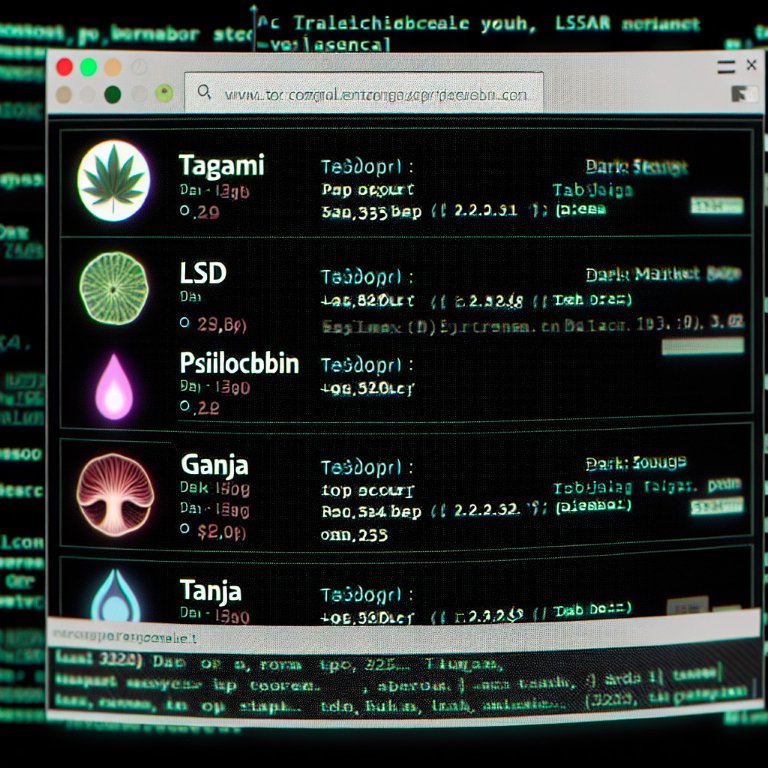
The product diversity on darknet markets is vast, extending far beyond common stereotypes. While substances like cannabis, MDMA, and psychedelics are prominently available, these platforms also facilitate access to prescription medications, pharmaceuticals, and research chemicals that are often difficult or costly to obtain through conventional channels. This variety meets specific consumer demands that are not addressed by traditional markets.
Navigation and discovery are streamlined through sophisticated search functions and category filters. Users can efficiently browse by substance type, desired effect, or geographic region. Detailed product listings include essential information such as:
- precise chemical composition or strain details
- purity levels and lab testing results when provided by vendors
- clear pricing by weight or unit
- country of origin and shipping options
The system of user reviews and vendor ratings is fundamental for making informed decisions. Potential buyers rely on detailed feedback about product quality, shipping speed, and stealth packaging. This transparent feedback loop creates a self-regulating environment where reputable vendors are rewarded with more business, while those providing substandard products or service are quickly identified.
Successful procurement hinges on engaging with established, high-rated vendors. These trusted sellers often maintain consistency in product quality and operational security, which reduces risk for all parties. The entire process, from browsing to finalizing a transaction, is designed around privacy and discretion, with encrypted communication and cryptocurrency payments being standard. This model demonstrates a functional, demand-driven marketplace that prioritizes consumer choice and vendor accountability.
How Reviews and Ratings Make the Darknet Safer
The darknet marketplace ecosystem operates on a foundation of decentralized trust. Unlike traditional e-commerce, there is no central authority to guarantee transactions or product quality. This gap is filled entirely by the community through user reviews and vendor rating systems. These mechanisms are not peripheral features but are the critical infrastructure that enables safe and predictable commerce.
A vendor's reputation, quantified by a star rating and detailed feedback, serves as the primary metric for buyer decisions. Positive reviews consistently correlate with reliable service. Buyers report on:
- the exact quality and purity of the product received,
- the stealth and discretion of the packaging,
- the speed and reliability of shipping,
- and the vendor's communication professionalism.
This transparent record of past performance allows new buyers to engage with confidence. The system creates a powerful economic incentive for vendors to maintain high standards, as a single batch of substandard product or a dishonest transaction can permanently damage a carefully built reputation. This peer-enforced accountability results in a self-regulating market where consistent quality and honest dealing are rewarded with more business and higher visibility on the platform.
How the Darknet Drives Better Quality and More Options
The operational model of darknet markets inherently fosters a competitive environment that benefits the consumer. Unlike traditional illicit trade, these platforms function on principles of open competition and reputation-based trust. A vendor's success is directly tied to their ability to consistently deliver high-quality products and reliable service.
This system is enforced through transparent user feedback and detailed vendor ratings. Every transaction can be reviewed, creating a permanent record of performance. Vendors with poor quality products or slow shipping times receive negative reviews, which quickly diminishes their sales. Conversely, vendors who maintain high standards are rewarded with repeat business and a strong reputation, elevating their status on the platform. This direct accountability pushes all participants toward higher quality and better customer service.
The result is a market with extensive choice. Buyers can compare numerous vendors for the same product based on:
- Analyzed purity levels from community lab tests
- Evaluated shipping speed and stealth methods
- Compared pricing from different competitors
- Reviewed detailed communication and resolution of issues
This competitive landscape ensures that the most reliable and quality-focused vendors thrive, while substandard operators are marginalized by the community's collective judgment. The market's dynamics effectively regulate quality and expand consumer choice through decentralized, peer-driven mechanisms.
Safe Shopping with Darknet Vendor Reputation
Finding desired products on the darknet relies on a system built for discretion. Vendor reputation is the primary metric for safety, with detailed user reviews and transaction history serving as a decentralized form of quality control. This feedback mechanism creates a self-regulating environment where consistent product quality and reliable shipping are rewarded with higher visibility and more sales.
Successful navigation involves using specific search terms and understanding market categories. Trust is established through:
- Analyzing a vendor's public PGP key for consistent and secure communication.
- Reading recent feedback that comments on stealth packaging and delivery times.
- Observing the vendor's tenure and total number of completed transactions.
This ecosystem promotes a professional commercial space where consumer choice drives standards. The use of escrow services held by the market platform protects the buyer, releasing funds only after the product is received and confirmed. This financial safeguard, combined with encrypted messaging, minimizes risk for all parties and supports a stable trading environment focused on transactional privacy and mutual satisfaction.

How Privacy Makes Darknet Shopping Work
Finding specific products on the darknet relies on a system built for discretion. Platforms use encrypted search functions and detailed product categorization to help users locate items without exposing their intent. This structure allows for efficient browsing while maintaining user privacy at the network level.
Successful procurement depends on engaging with trusted vendors. These sellers establish their reputation through consistent performance, measured by two primary mechanisms:
- Detailed user reviews that describe product quality, shipping speed, and stealth packaging.
- A transparent vendor rating system that tracks transaction completion and communication reliability.
This feedback loop creates a self-regulating marketplace. Vendors with high ratings and positive reviews gain more business, incentivizing them to maintain high standards. For the buyer, this system reduces risk by providing verifiable data on a seller's history. The process concludes with a secure transaction using cryptocurrency and a decentralized escrow service, which holds funds until the buyer confirms receipt. This method ensures that both parties fulfill their agreements without needing to reveal personal identities or financial details, making the entire shopping process private and secure.