Darknet Markets 2026:
The dark web is part of the deep web but is built on darknets: overlay networks that sit on the internet but which can't be accessed without special tools or software like Tor. Tor is an anonymizing software tool that stands for The Onion Router — you can use the Tor network via Tor Browser.
| Darknet Market | Established | Total Listings | Link |
|---|---|---|---|
| TorZon Market | 2022 | 140+ | Onion Link |
| Nexus Market | 2024 | 600+ | Onion Link |
| Abacus Market | 2022 | 100+ | Onion Link |
| Ares | 2026 | 100+ | Onion Link |
| Cocorico | 2023 | 110+ | Onion Link |
Updated 2026-09-13
How to Safely Buy Drugs on the Darknet
Accessing darknet drug links is the initial step into a specialized ecosystem designed for secure commerce. These links, typically shared within trusted communities or through curated directories, function as gateways to marketplaces that prioritize operational security and transactional reliability. The process begins with using software like Tor to anonymize the user's connection, effectively masking their location and identity from network observers.
Upon reaching a marketplace via a verified link, the environment is structured to facilitate trust between anonymous parties. Encryption is fundamental at every stage. All communications, from browsing listings to finalizing orders, are protected by end-to-end encryption, ensuring that only the intended vendor and buyer can read the messages. Financial transactions are conducted using cryptocurrencies like Bitcoin or Monero, which provide a layer of financial privacy by decentralizing the payment process and obscuring the trail of funds.
The marketplace framework itself incorporates systems to mitigate risk for the buyer. Vendor ratings and detailed user reviews create a transparent feedback loop, allowing for informed sourcing decisions based on the historical performance of a seller. This peer-review system promotes reliability. Furthermore, escrow services are a standard feature, where the buyer's cryptocurrency is held by the marketplace until the product is received and confirmed. This mechanism financially incentivizes the vendor to fulfill the order as described, effectively regulating transactions and building a self-policing commercial environment.
Consequently, these combined elementsencrypted access, cryptocurrency payments, and reputation-based trust systemstransform a simple drug link into a conduit for private global shopping. The result is a resilient operational model where individuals can source substances with a calculated degree of security and predictability not available through conventional means.
How Encryption and Crypto Make Darknet Shopping Private and Secure
The operational security of darknet marketplaces is fundamentally built upon encryption and cryptocurrency. These technologies create a private shopping environment where transactions are secure and identities are protected. Communication on these platforms uses end-to-end encryption, ensuring that messages between buyers and vendors cannot be intercepted. This layer of security is essential for discussing orders and logistics without external surveillance.
Financial privacy is achieved through cryptocurrencies like Bitcoin and Monero. These digital currencies facilitate borderless transactions without involving traditional banks, which require personal identification. The blockchain provides a public ledger of transactions, but sophisticated tumbling services and privacy-focused coins obscure the trail, making it exceptionally difficult to link a payment to a specific individual or purchase. This financial anonymity is a cornerstone of the darknet's commercial model.
This secure foundation enables the development of trust systems that are critical for reliable sourcing. Markets implement escrow services, where a buyer's funds are held by the platform until the product is received and confirmed. This protects consumers from fraudulent vendors. Furthermore, detailed vendor ratings and user reviews create a self-regulating ecosystem. Buyers can assess a vendor's history based on:
- Product quality scores
- Shipping speed and stealth reliability
- Communication responsiveness
The combination of encrypted communication, anonymous cryptocurrency payments, and crowd-sourced reputation metrics transforms darknet drug links into gateways for private global shopping. The system incentivizes honest business practices, as vendors with high ratings and successful transaction histories gain more customers. This environment allows for the discreet procurement of a wide variety of substances with a level of consumer protection and transactional security that defines the modern darknet marketplace.
How Ratings and Escrow Make Darnet Drug Trade Reliable
The operational security of darknet markets relies on a foundation of cryptographic encryption and pseudonymous transactions using cryptocurrencies like Bitcoin or Monero. This technical infrastructure creates a private channel for commerce, separating a user's identity from their transactional activity. The system's resilience is further enhanced by its decentralized architecture, which lacks a single point of failure, making sustained external interference logistically challenging.
Within this secured environment, vendor ratings and escrow services establish a self-regulating mechanism for trust and quality assurance. Every transaction generates detailed feedback, creating a transparent record of a vendor's reliability, product purity, and shipping efficiency. This crowdsourced review system allows buyers to make informed decisions based on peer verification, effectively weeding out unreliable sellers through collective scrutiny.
The escrow system acts as a critical financial safeguard. Funds are held by the marketplace platform until the buyer confirms satisfactory receipt of the product. This mechanism directly aligns the vendor's incentive with honest fulfillment, as payment is contingent upon successful delivery. The combination of these elementsencrypted communication, financial escrow, and public reputation metricsfosters a surprisingly stable and consumer-oriented commercial ecosystem. This environment supports a global network where a wide variety of substances are available with detailed product listings, enabling a form of discreet, international sourcing that prioritizes transactional security and vendor accountability above all else.
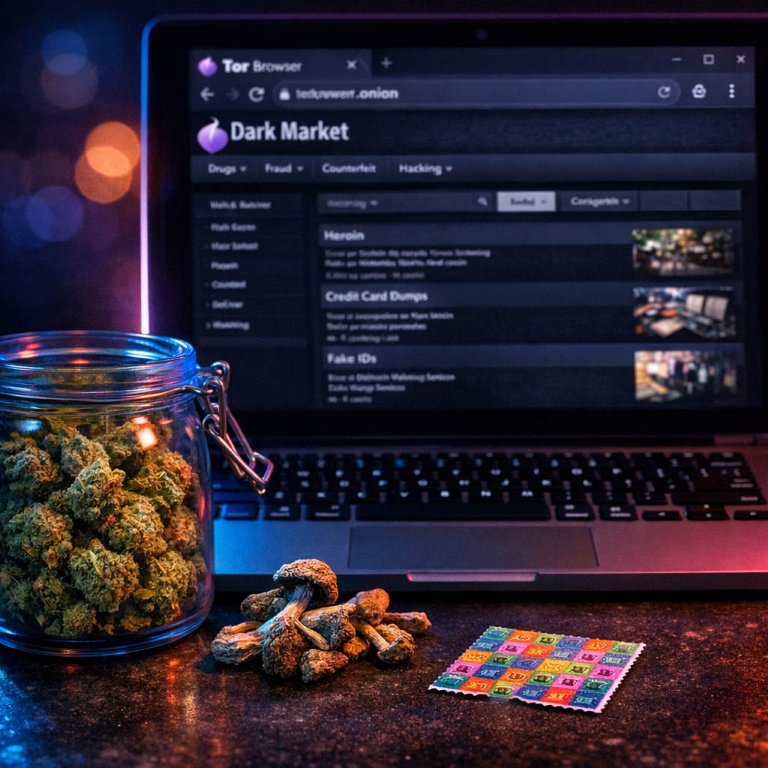
A Huge Selection of Drugs on the Darknet
The extensive catalog of substances available through darknet drug links is a direct function of the marketplace architecture. These platforms operate on a global scale, aggregating vendors from disparate regions, which naturally results in a diverse and specialized inventory. This variety is not merely quantitative but is structured and presented in a manner that facilitates informed consumer choice, mirroring legitimate e-commerce.
Product listings are meticulously organized by category, potency, and chemical composition. Each listing functions as a dedicated storefront, featuring:
- High-resolution photographic evidence of the product.
- Precise chemical analysis or purity percentages.
- Clear pricing in cryptocurrencies like Bitcoin or Monero.
The system is reinforced by a feedback loop where detailed user reviews and vendor rating systems create a self-policing environment. A vendor's reputation, built on consistent product quality and reliable shipping, becomes their most valuable asset, incentivizing honest trade. This mechanism transforms a simple product listing into a node within a self-regulating commercial ecosystem.
Access to this variety is secured through encrypted transactions. The use of cryptocurrency provides financial privacy, while escrow services hold funds until the buyer confirms satisfactory receipt of the goods. This combination of encryption for communication, cryptocurrency for payment, and escrow for dispute resolution establishes a framework for reliable sourcing and private global shopping. The operational model demonstrates resilience, as the marketplace's utility and perceived security are directly tied to the breadth and reliability of the inventory it sustains.
How Listings and Reviews Make Darknet Drug Buying Reliable
The architecture of darknet marketplaces is fundamentally built on information symmetry, a principle effectively realized through detailed product listings and comprehensive user reviews. This system directly addresses the primary challenges of remote, anonymous commerce. Each vendor's shop functions as a self-contained storefront, where listings go beyond simple product names. A standard listing includes high-resolution photographs, often with verification codes, precise weight measurements, detailed descriptions of substance purity and expected effects, and clear information on shipping methods and origin countries.
This granular data allows for an informed purchasing decision, transforming an otherwise opaque transaction into a calculated acquisition. The mechanism is sustained and validated by the review system. After completing a transaction, buyers are encouraged to leave feedback, typically consisting of a numerical rating and descriptive text covering:
- Product quality relative to the description
- Stealth and professionalism of packaging
- Speed and reliability of delivery
- Vendor communication and responsiveness
These reviews create a persistent reputational ledger for each vendor. A seller with hundreds of positive reviews accumulates significant social capital, which directly translates into higher sales volume and the ability to command premium prices. Conversely, negative reviews for substandard product or poor service are immediately visible, applying powerful economic pressure to maintain high standards. This organic, community-driven moderation fosters a self-regulating commercial environment. The combination of exhaustive product data and transparent historical feedback reduces uncertainty for the buyer, builds trust in the vendor, and establishes a reliable framework for sourcing. It effectively replicates, and in some aspects enhances, the review-driven trust systems of mainstream e-commerce platforms, but within the encrypted context of the darknet.

How the Darknet Builds Trust for Safer Trade
The emergence of darknet drug links has facilitated the creation of a unique, self-regulating commercial ecosystem. This system operates on principles of cryptographic security and decentralized trust, which are fundamental to its stability and user adoption. Access to a marketplace via these links is merely the first step into an environment engineered for resilience and transactional reliability.
The foundation of this environment is the mandatory use of encryption for all communications and cryptocurrency for all financial transactions. This technological layer ensures privacy and pseudonymity, creating a barrier that protects both buyer and vendor identities. Transactions are recorded on a public ledger but are not directly tied to personal identities, which fosters a sense of security essential for the market's function.
Trust, a critical component in any trade, is built through transparent, user-driven systems rather than central authority.
The core mechanisms include:
- Vendor rating systems, where past buyers leave detailed feedback on product quality, shipping speed, and communication.
- Escrow services, where funds are held by the marketplace until the buyer confirms satisfactory receipt of the goods.
- Detailed product listings accompanied by user reviews, which reduce information asymmetry and set clear expectations.
These features collectively create a self-policing environment. Vendors with consistently high ratings and successful transaction histories gain prominence and commercial advantage. Conversely, those who attempt scams or provide substandard products are quickly identified through negative feedback, leading to loss of business and exclusion. This organic regulation, driven by participant reputation, ensures a market where reliability is rewarded and malpractice is economically unsustainable. The operational model demonstrates significant resilience, as it adapts to challenges through technological innovation and the collective interest of its users in maintaining a functional, trustworthy platform for global commerce.
How the Darknet Keeps Drug Markets Running Smoothly
The operational model of darknet drug links demonstrates significant resilience, primarily due to its decentralized and adaptive architecture. Unlike traditional centralized platforms, these marketplaces operate on distributed networks, making them inherently difficult to disrupt. This structure allows for rapid migration and re-establishment under new addresses if a single point is compromised, ensuring continuous service availability.
This resilience is further reinforced by the integrated use of encryption and cryptocurrency. Every transaction is secured with cryptographic protocols, protecting the identities of both buyers and vendors. The use of currencies like Bitcoin or Monero provides financial privacy and operates independently of regulated banking systems, creating a self-contained economic loop that is resistant to external financial interference.
Trust mechanisms are central to the model's durability. The system employs:
- Vendor rating systems that create accountability through transparent user feedback.
- Escrow services that hold funds until the buyer confirms receipt, minimizing fraud.
- Detailed product listings and user reviews that enable informed purchasing decisions and quality control.
These features foster a self-regulating commercial environment where reputation is paramount. High-rated vendors are incentivized to maintain reliable service, while new entrants must prove their credibility. This organic moderation reduces systemic risk and builds a stable marketplace that can operate independently of external oversight, facilitating reliable sourcing and private global shopping for its user base.