Darknet Markets 2026:
The dark web is part of the deep web but is built on darknets: overlay networks that sit on the internet but which can't be accessed without special tools or software like Tor. Tor is an anonymizing software tool that stands for The Onion Router — you can use the Tor network via Tor Browser.
| Darknet Market | Established | Total Listings | Link |
|---|---|---|---|
| TorZon Market | 2022 | 140+ | Onion Link |
| Nexus Market | 2024 | 600+ | Onion Link |
| Abacus Market | 2022 | 100+ | Onion Link |
| Ares | 2026 | 100+ | Onion Link |
| Cocorico | 2023 | 110+ | Onion Link |
Updated 2026-09-13
How the Darknet Keeps Drug Trade Safe and Private
Darknet markets provide a secure environment for acquiring goods by integrating several core technologies. Access requires specialized software like Tor, which anonymizes a user's connection by routing it through a distributed network, effectively concealing their location and identity from outside observation. This foundational layer of privacy is critical for all subsequent interactions.
Once inside, the marketplace architecture itself is designed to protect participants. User identities are shielded by end-to-end encryption for all communications, ensuring that messages between buyers and vendors cannot be intercepted and read. Financial privacy is maintained through the exclusive use of cryptocurrencies such as Bitcoin or Monero. These digital currencies allow for pseudonymous transactions that are not directly tied to real-world identities, unlike traditional banking systems.
The system's safety extends to transaction integrity through escrow services. Funds are held by the market's automated system until the buyer confirms satisfactory receipt of the product. This mechanism significantly reduces the risk of fraud for both parties. Trust and quality assurance are managed organically by the community via a transparent feedback and rating system. Vendors build their reputation over many transactions, and buyers rely on these detailed historical records to make informed decisions. This creates a self-regulating economy where consistent product quality and reliable service are rewarded with business, while poor performance is penalized.
The convergence of these systemsanonymized access, encrypted communication, private payments, secured transactions, and community-based reputationresults in a functional platform. It offers users a degree of safety and discretion in acquiring products that meet their specified standards, operating on principles of mutual benefit and verified trust.
How Encryption Keeps Darknet Shopping Private
Encryption is the fundamental technology that enables private access to goods on the darknet. It functions by scrambling data so that it can only be read by the intended recipient who possesses the correct key. This process begins with the user's connection itself, which is routed through the Tor network. Tor encrypts internet traffic multiple times and bounces it through a series of volunteer-run servers, effectively masking the user's original IP address and physical location from the marketplace and any intermediaries.
Once connected to a darknet market, further encryption protects all communications. PGP (Pretty Good Privacy) encryption is standard. When a buyer places an order, they encrypt their delivery address using the vendor's publicly listed PGP key. This means only that specific vendor can decrypt and read the sensitive information. Even if marketplace administrators were to intercept the message, they would see only indecipherable text. This end-to-end encryption ensures that personal details are shared strictly between the two parties involved in the transaction, creating a secure channel within the larger anonymous framework of Tor.
The result is a layered security model:
- The Tor network anonymizes the user's connection and access point.
- PGP encryption protects the content of all private messages and shipping details.
- This combined approach allows individuals to engage in commerce with a significantly reduced risk of their real-world identity being exposed, which is a primary concern for users seeking discretion.
How Crypto Payments Make Darknet Trade Safe and Private
The operational security of darknet markets is fundamentally dependent on cryptocurrency transactions. These digital currencies, primarily Bitcoin and Monero, provide a necessary layer of financial privacy that traditional payment systems cannot offer. Transactions are recorded on a public ledger, but the identities of the parties involved are concealed behind cryptographic addresses. This separation of financial activity from real-world identity is a cornerstone of the ecosystem's security model.
For enhanced privacy, markets and users employ several techniques:
- Using privacy-centric coins like Monero, which obfuscate transaction details by default.
- Utilizing intermediate wallets to break the direct link between a user's personal exchange account and the market deposit address.
- Leveraging the built-in escrow system, where funds are held by the market until the buyer confirms satisfactory receipt of the product. This mechanism directly enables trustless trade between anonymous parties.
The integration of cryptocurrency with escrow creates a secure economic environment. A buyer's funds are not released to the vendor until the transaction is completed satisfactorily, which incentivizes vendors to maintain high product standards and reliable shipping. This financial framework, combined with the feedback and reputation systems, shifts market dynamics toward quality and consistency. The result is a self-regulating platform where secure, private payments facilitate access to a consistent standard of goods, driven by vendor competition and transparent user reviews.

How User Reviews Make Darnet Drug Shopping Safe
The feedback system is the core mechanism for establishing trust and ensuring quality on darknet markets. It functions as a decentralized verification process, where each transaction concludes with the buyer leaving a review and rating for the vendor and product. This creates a transparent, community-driven record of performance.
Vendors with consistently high ratings and detailed positive feedback naturally rise in search results and gain trust. The system incentivizes reliable service, accurate product descriptions, and secure shipping methods. Buyers rely on this aggregated data to make informed decisions, knowing that a vendor's reputation is built upon numerous verified transactions.
This peer-review model directly facilitates safe and private access to quality products. It allows buyers to identify vendors who consistently deliver high-purity substances and maintain discreet operations. The feedback often includes specific details about:
- Product potency and consistency
- Stealth and packaging quality
- Shipping speed and reliability
- Communication effectiveness
As a result, the market becomes self-regulating. Vendors are economically motivated to maintain high standards to preserve their reputation, which is their most valuable asset. This reduces the risk for buyers, creating a more predictable and secure environment for trade based on demonstrated history rather than promises.
How Escrow Makes Darknet Shopping Safe and Reliable
Escrow services are a fundamental mechanism that enables secure transactions on darknet markets. They function as a neutral third party, holding a buyer's cryptocurrency payment in a secure account until the ordered goods are received and confirmed to be satisfactory. This system directly addresses the inherent trust deficit in anonymous environments by removing the risk of a vendor simply taking payment and not shipping the product, a practice known as "exit scamming." The process is automated through the market's software, which releases funds to the vendor only after the buyer finalizes the order, indicating successful delivery.
The operational model creates a balanced power dynamic. For the buyer, it provides a financial safety net, ensuring payment is only completed upon receipt of the product. For the vendor, it guarantees that payment is secured and waiting, incentivizing them to ship the product promptly and maintain quality to avoid disputes. This mutual assurance is critical for fostering a stable commercial ecosystem. Disputes are handled by market moderators who review communication and evidence before adjudicating the release of escrowed funds, adding a layer of human oversight to the automated process.
The result is a dramatic reduction in fraud and a corresponding increase in transactional reliability. When users trust that their funds are protected, they are more likely to engage in commerce, which in turn stimulates market growth and vendor competition. This competitive environment, safeguarded by escrow, naturally elevates product standards as vendors must consistently meet buyer expectations to receive their payments and build positive reputations. Therefore, escrow is not merely a payment feature but the core infrastructure that makes safe, private access to quality products a practical reality on the darknet.
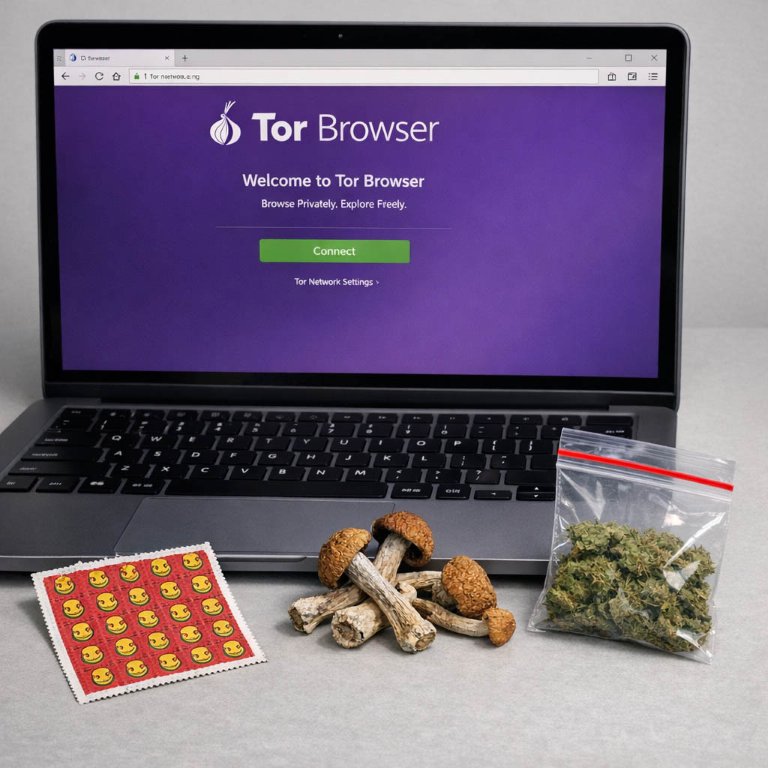
How Darknet Markets Build Trust Through Quality
The operational model of darknet markets inherently promotes a self-regulating community where quality is the primary currency. This system emerges directly from the need to establish trust in an anonymous environment, creating a feedback loop that benefits both conscientious vendors and informed buyers.
Vendors build their reputation over time through consistent performance. Each transaction is subject to a detailed feedback and rating system, where buyers evaluate product quality, shipping speed, and stealth. This transparent record is permanently attached to a vendor's profile, serving as a powerful incentive for maintaining high standards. A vendor with thousands of positive reviews has a significant financial interest in preserving their standing, making the sale of substandard or misrepresented products economically unsustainable.
The community actively enforces these standards through its discourse. Forums and review sections function as a collective intelligence mechanism, where users:
- Share detailed product analyses and purity tests.
- Warn others about scams or poor-quality listings.
- Collectively identify and isolate unreliable vendors.
This environment effectively filters out bad actors. A new or dishonest vendor cannot easily compete with established vendors who have a long history of verified, high-quality transactions. Consequently, access to quality products is enhanced not by external regulation, but by the market's internal reputation-based economy. The result is a platform where privacy and security mechanisms facilitate a direct, peer-reviewed exchange that reliably connects buyers with quality goods.
How Vendor Reviews Keep Drugs Safe on the Darknet
The vendor reputation system is the primary mechanism for quality control on darknet markets. It functions as a continuous and transparent peer review process, where every transaction contributes to a vendor's public score and feedback history. Buyers leave detailed ratings and comments on product purity, accurate weight, stealth packaging, and communication speed. This creates a self-reinforcing economic incentive for vendors to maintain high standards, as their future sales depend directly on their accumulated reputation.
A vendor with a long history and thousands of positive reviews establishes a trusted brand identity. This history is verifiable and resistant to manipulation, as the market's escrow system confirms that feedback comes from completed purchases. Consequently, buyers can reliably select vendors based on empirical data rather than promises. The system naturally filters out unreliable sellers, as those with poor product quality or dishonest practices quickly develop negative feedback and lose visibility.
The result is a market environment where quality and consistency are rewarded. Vendors compete on merit, often providing:
- Laboratory analysis results for substance purity.
- Superior customer service and guaranteed delivery policies.
- Innovative and discreet shipping methods.
How the Darknet Builds Trust for Buyers
The culmination of these systems is a reliable marketplace that effectively connects buyers with quality products. The darknet's foundational privacy and encryption allow users to browse and communicate without exposing their identity, creating a necessary layer of security for all participants. This environment enables vendors to specialize, often providing detailed product descriptions and purity information that is difficult to find elsewhere.
Transactions are secured through escrow services and cryptocurrency payments, which protect the funds of both parties until the buyer confirms satisfactory receipt. The decentralized feedback and reputation system is the core mechanism for quality control. Buyers rely on detailed reviews from previous customers, which incentivizes vendors to maintain high standards and consistent service to preserve their ranking. This creates a self-regulating economy where vendor reputation directly correlates with business success, naturally filtering out unreliable sellers.
For the buyer, this translates into predictable and secure access. The process is streamlined:
- Identifying a reputable vendor through community feedback.
- Engaging in secure communication for order specifics.
- Completing a payment held in escrow for protection.
- Receiving a product whose quality is backed by the vendor's need to maintain their established market position.