Darknet Markets 2026:
The dark web is part of the deep web but is built on darknets: overlay networks that sit on the internet but which can't be accessed without special tools or software like Tor. Tor is an anonymizing software tool that stands for The Onion Router — you can use the Tor network via Tor Browser.
| Darknet Market | Established | Total Listings | Link |
|---|---|---|---|
| TorZon Market | 2022 | 140+ | Onion Link |
| Nexus Market | 2024 | 600+ | Onion Link |
| Abacus Market | 2022 | 100+ | Onion Link |
| Ares | 2026 | 100+ | Onion Link |
| Cocorico | 2023 | 110+ | Onion Link |
Updated 2026-09-13
How Nexus Link Makes Drug Trade Safe and Easy on the Darknet
The operational model of Nexus Link directly addresses the core requirements for secure and efficient trade on the darknet. By integrating end-to-end encryption with a transparent vendor reputation system, the platform establishes a trusted environment for peer-to-peer transactions. This combination reduces uncertainty and fosters a self-regulating marketplace.
Every transaction is secured through cryptographic protocols that protect financial data and communication. This ensures that deal terms and logistical details remain confidential between the buyer and seller. The encryption acts as a fundamental layer of operational security, making interactions private and resistant to external interference.
Trust is quantitatively built through the platform's feedback mechanisms. Vendors accumulate reputation scores based on consistent performance, which are displayed publicly. These scores are derived from:
- Historical transaction volume
- Detailed buyer feedback on product quality
- Reliability in shipping and packaging
This system allows new participants to assess vendor credibility based on community-verified data, not promises. A high reputation score signals a history of successful, dispute-free transactions. Consequently, the market naturally incentivizes ethical conduct and quality service, as these traits directly influence a vendor's commercial success and visibility on the platform. The result is a streamlined ecosystem where encryption ensures privacy and reputation metrics ensure accountability, creating a functional and resilient peer-to-peer market.
How Escrow Makes Darknet Drug Trade Safe for Everyone
The escrow system is the operational foundation for secure transactions on Nexus Link. It functions as a neutral third-party holding service for cryptocurrency payments. When a buyer initiates a purchase, the funds are locked in the escrow and are not immediately released to the vendor. This mechanism directly addresses the inherent lack of trust in anonymous darknet environments.
Release of funds occurs only after the buyer confirms satisfactory receipt of the product. This process protects the buyer from vendor fraud, such as non-shipment or shipment of inferior goods. Conversely, it also safeguards the vendor from false non-receipt claims by buyers, as the platform's encrypted tracking and communication logs provide dispute evidence. The system creates a balanced, self-enforcing economic framework where cooperation and honest trade become the most rational strategy for both parties to maximize their long-term gains and reputation scores.
Secure Messaging for Safe Trade
Private communication forms the operational backbone of any trusted darknet market. Nexus Link integrates end-to-end encryption directly into its messaging system, ensuring that all negotiations and logistical details remain confidential between the buyer and the vendor. This encryption protocol functions by scrambling the message content with a unique key that only the intended recipient's device can decrypt. The platform itself cannot access the plaintext of these communications, which eliminates a central point of failure and prevents the interception of sensitive data.
The practical effect of this system is the creation of a secure channel for trade. Users can discuss product specifics, custom orders, and delivery arrangements without exposing their activities. This level of privacy is not merely a feature but a fundamental requirement for conducting business, as it protects the identities and operational security of all parties involved. The encryption ensures that conversations about product quality or shipping methods are kept within the confines of the transaction, building a foundation of operational security that encourages open and necessary dialogue for successful exchanges.
When combined with the platform's escrow service, encrypted communication allows for a seamless and secure transaction workflow. Terms are agreed upon privately, the funds are secured in escrow, and the vendor proceeds with fulfillment. This integration demonstrates how technical measures directly facilitate commercial reliability. The market's infrastructure, through mechanisms like end-to-end encryption and escrow, replicates the confidentiality expected in private commercial dealings, enabling a peer-to-peer ecosystem where trust is engineered through verifiable security protocols.

How Reputation Scores Make Darknet Markets Work
The vendor reputation system is the cornerstone of trust on Nexus Link, transforming an anonymous darknet environment into a functioning peer-to-peer marketplace. Unlike traditional commerce, where legal frameworks enforce contracts, this platform relies on a decentralized community feedback mechanism to establish credibility. Every transaction concludes with an opportunity for the buyer to leave detailed feedback on product quality, shipping speed, and communication. This feedback is permanently aggregated into a vendor's public profile, creating a transparent performance history.
The system quantifies trust through several key metrics displayed on each vendor's page:
- A numerical score, typically on a five-point scale, provides an immediate snapshot of overall satisfaction.
- The total transaction volume indicates experience and market presence; a vendor with thousands of successful sales has a proven track record.
- Detailed written reviews offer qualitative data beyond the numerical rating, allowing potential buyers to assess consistency and specific strengths.
This structure creates a powerful self-regulating economy. Vendors with high scores and consistent positive reviews gain a competitive advantage, attracting more business. This incentivizes reliable service, honest product descriptions, and secure shipping practices. Conversely, vendors who engage in scams or provide inferior products quickly accumulate negative feedback, which serves as a community-driven warning system that limits their ability to operate. The reputation score acts as economic capital, directly linking a vendor's commercial success to their demonstrated trustworthiness.
How Ratings and Sales Build Trust on Darknet Markets
The reputation system on Nexus Link functions as a self-regulating economic mechanism. It transforms subjective user experiences into objective, quantifiable data that all participants can trust. This data is primarily generated through two interdependent streams: transactional feedback and sales volume.
Each completed order allows the buyer to leave detailed feedback, often accompanied by a numeric rating. This feedback covers specific product quality, shipping speed, and stealth. Over time, a vendor's profile accumulates hundreds or thousands of these data points, creating a statistically significant profile. A high average rating based on substantial feedback is a powerful trust signal, as it is resistant to manipulation by single, anomalous reviews.
Simultaneously, the platform publicly displays a vendor's lifetime transaction count. High volume indicates consistent operational security and reliable fulfillment over an extended period. It demonstrates a vendor's ability to navigate logistical challenges and maintain customer satisfaction at scale. The combination of high volume and positive feedback creates a reliable metric for assessing risk.
- A vendor with 5,000 transactions and a 4.9/5 rating presents a lower perceived risk than a new vendor with only 10 sales, even if those 10 are all positive.
- The system incentivizes long-term, honest business practices, as the reputational capital built from volume and feedback becomes a vendor's most valuable asset.
This transparent metrics framework reduces information asymmetry between buyer and seller. Buyers can make informed decisions based on collective intelligence, while reputable vendors are rewarded with increased visibility and sales, reinforcing a stable and efficient peer-to-peer marketplace on the darknet.

How Darknet Markets Make Drug Trade Smooth and Reliable
The logistical framework of Nexus Link is engineered for reliability in peer-to-peer commerce. Transactions are secured through cryptographic protocols, ensuring that financial exchanges are private and final. This encryption extends to all communications, creating a confidential channel for arranging the specifics of a transaction without external visibility.
Logistical efficiency is further enhanced by the platform's reputation system. Vendor profiles display reputation scores and transaction volume, which are calculated from accumulated buyer feedback. This system provides clear, quantifiable metrics for assessing reliability. A high score indicates a history of successful completions, which directly correlates with predictable and efficient logistics. Buyers can make informed decisions by reviewing:
- Detailed feedback on product quality and shipping speed
- The vendor's total completed sales volume
- Consistency in communication and dispute resolution
The integration of escrow services protects both parties during the exchange. Funds are held securely until the buyer confirms receipt, which incentivizes the seller to adhere to promised shipping methods and timelines. This mechanism reduces logistical failures and builds systemic trust. The result is a streamlined model where secure transactions and verifiable vendor history establish a trusted environment for peer-to-peer trade on the darknet.
How Darknet Communities Ensure Good Quality
The Nexus Link platform integrates community-driven mechanisms to ensure product quality, a critical function for any peer-to-peer darknet market. Unlike traditional commerce, these systems operate without formal regulatory bodies, relying instead on collective user participation. The process begins with transactional feedback. After each completed sale, both buyer and seller can leave detailed reviews and a numeric rating, which directly influences the vendor's public reputation score. This score becomes a primary metric for new users assessing reliability.
A high reputation score is typically built over time through consistent positive feedback and high transaction volume. Vendors with long-standing accounts and thousands of successful sales establish a track record that the community recognizes as trustworthy. This creates a self-reinforcing cycle: reliable vendors attract more business, further solidifying their status and incentivizing them to maintain high standards. Disputes over product quality are mediated through the platform's escrow service, where funds are held securely until the buyer confirms satisfactory receipt. This protects all parties and provides a formal channel for resolving issues before feedback is finalized.
The community extends beyond simple reviews. Dedicated forum sections allow for in-depth discussion of product specifics, vendor performance, and testing results. Users often employ reagent testing kits to verify substance composition, sharing their findings publicly. This crowdsourced data aggregation acts as a decentralized quality assurance lab. The system's effectiveness is demonstrated by market dynamics; vendors who consistently provide substandard products or engage in fraudulent practices quickly receive negative feedback, their scores plummet, and their sales cease. Thus, the collective vigilance of the user base enforces a practical and effective form of quality control, making the marketplace more predictable and secure for its participants.
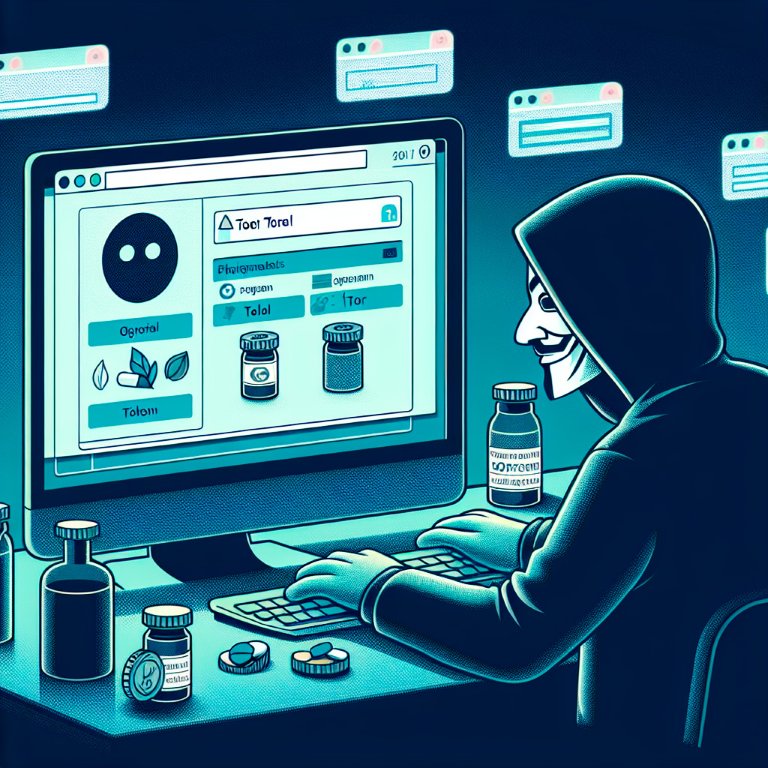
How Nexus Link Makes Buying on the Darknet Safe and Easy
The Nexus Link platform represents an optimized framework for peer-to-peer commerce on the darknet. Its streamlined model integrates several core components that function cohesively to establish a secure and efficient marketplace. The system is built upon the principle of encrypted transactions, which serve as the foundational layer for all financial exchanges. This encryption ensures that payment flows remain confidential and protected from external interception, directly addressing the primary security concern for participants.
This technical security is complemented by a robust social framework centered on vendor reputation scores. These scores are not arbitrary; they are generated algorithmically from verifiable transaction data and buyer feedback. A vendor's reputation acts as a dynamic and transparent metric of reliability, reducing uncertainty for new buyers. The platforms escrow service further institutionalizes trust by holding funds securely until the buyer confirms satisfactory receipt of goods, effectively mitigating the risk of fraud for both parties.
The resulting environment is a trusted peer-to-peer market where efficiency is heightened. Logistics are managed directly between users, leveraging decentralized methods that bypass traditional bottlenecks. Quality assurance is crowdsourced through the community's feedback systems, creating a self-regulating mechanism for product standards. The model demonstrates that a darknet marketplace can achieve operational stability and user confidence through the systematic application of cryptographic security and data-driven reputation, facilitating commerce with reduced friction and enhanced predictability for all involved entities.