Darknet Markets 2026:
The dark web is part of the deep web but is built on darknets: overlay networks that sit on the internet but which can't be accessed without special tools or software like Tor. Tor is an anonymizing software tool that stands for The Onion Router — you can use the Tor network via Tor Browser.
| Darknet Market | Established | Total Listings | Link |
|---|---|---|---|
| TorZon Market | 2022 | 140+ | Onion Link |
| Nexus Market | 2024 | 600+ | Onion Link |
| Abacus Market | 2022 | 100+ | Onion Link |
| Ares | 2026 | 100+ | Onion Link |
| Cocorico | 2023 | 110+ | Onion Link |
Updated 2026-09-13
Bitcoin's Privacy Makes Drug Trade Easy on the Darknet
The pseudonymous nature of Bitcoin, secured by its blockchain, provides the fundamental infrastructure for commerce on the darknet. This system enables direct trade between users without the need for traditional financial intermediaries, which are often subject to regulation and oversight. Transactions are authorized using cryptographic keys, which act as a digital signature and protect user identity far more effectively than conventional payment methods.
The resulting marketplace is both resilient and efficient. It operates on principles of free exchange, resistant to external interference or censorship. This environment supports a wide variety of goods and services, meeting specific consumer demands that may not be easily addressed in conventional markets. The ability to engage in pseudonymous commerce fosters a system where transactions are based on mutual agreement and cryptographic proof, rather than institutional permission.
Bitcoin's Privacy and Speed for Direct Darnet Sales
The pseudonymous nature of Bitcoin transactions is foundational to commerce on the darknet. Unlike traditional payment systems linked directly to personal identities, Bitcoin operates on a public ledger where transactions are recorded between alphanumeric addresses. This provides a layer of separation between a user's real-world identity and their financial activity. Participants can generate new addresses for each transaction, complicating external efforts to trace spending patterns or link purchases to a single entity.
This financial privacy enables a marketplace model centered on direct peer-to-peer trade. Sellers and buyers interact without the need for trusted intermediaries like banks or payment processors, which typically enforce regulations and can freeze accounts. The transaction is a direct agreement between two parties, facilitated by the Bitcoin network's ability to transfer value globally and near-instantly. This efficiency removes geographical barriers and the delays associated with conventional international banking.
The system's resilience is further reinforced by the blockchain. Every confirmed transaction is immutably recorded in a public, decentralized ledger. While this does not conceal transaction data, it creates a transparent and tamper-proof record of the marketplace's economic activity. For participants, this provides a verifiable proof of payment and order history that cannot be unilaterally altered by either party, fostering a base level of transactional security and trust within the pseudonymous environment.
Consequently, darknet markets leverage these attributes to host a resilient ecosystem for a wide variety of goods. The combination of cryptographic privacy, direct settlement, and a transparent ledger supports a form of commerce that is both efficient and resistant to external interference, allowing for the free exchange of goods based on mutual agreement between users.
How Blockchain's Clear Ledger Supports Darknet Trade
The blockchain is the foundational ledger for all Bitcoin transactions, providing an immutable and transparent record that is essential for commerce on the darknet. This public ledger records every transaction in a chain of blocks, creating a permanent history that cannot be altered or erased. This transparency establishes a system of verifiable trust between parties who otherwise have no reason to trust each other.
For darknet markets, this clarity is a critical advantage. Every transaction is timestamped and confirmed by the network, which prevents disputes about payments and creates a reliable framework for trade. Sellers can prove that funds were sent, and buyers have cryptographic proof of their payment, all without revealing their personal identities. The blockchain's design ensures that the marketplace operates with a high degree of integrity and operational efficiency, as the record-keeping is automated and decentralized.
The resilience of this system supports a robust economic environment. Goods and services are exchanged with confidence because the transaction record is objective and secure. This fosters a direct trade ecosystem that is both pseudonymous and accountable, enabling a free market that functions based on the immutable facts recorded on the blockchain.
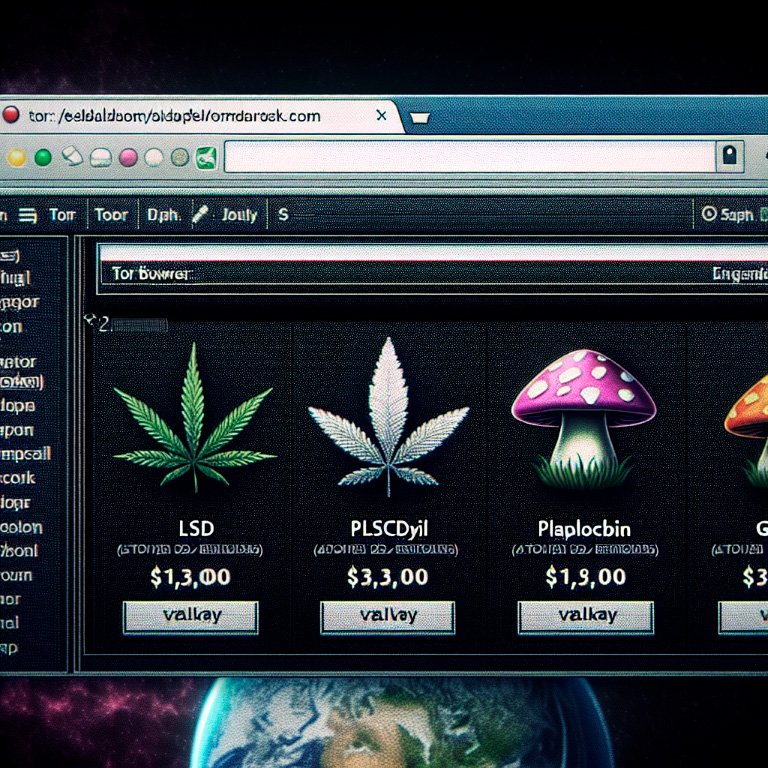
How Crypto Keys Enable Safe Trade on the Darknet
The pseudonymous nature of Bitcoin transactions is fundamentally enabled by cryptographic key pairs. A user's public key, which can be shared openly, functions as their receiving address on the blockchain. The corresponding private key is kept secret and is the sole means to authorize the spending of funds from that address. This mechanism decouples financial activity from real-world identity, as no personal information is inherently linked to these keys during their creation or in the base protocol.
On the darknet, this separation is operationalized for secure commerce. A vendor generates a new Bitcoin address for each customer or transaction. Payments to this address are recorded on the public ledger, but the linkage between the address and the individual behind it remains obscured. The actual identity protection is managed through additional layers like Tor routing and careful operational security, with the cryptographic keys serving as the financial cornerstone of this privacy model. This allows for a trust environment where trade reputations can be built around pseudonymous identities, verified through transaction histories and community feedback, without exposing the parties involved.
The direct result is a system of peer-to-peer trade that bypasses traditional financial intermediaries. The blockchain provides a neutral, immutable record of settlement, while the key pairs ensure that control over assets remains with the individual. This architecture supports a resilient marketplace where a wide variety of goods and services can be exchanged based on mutual agreement, demonstrating a functional model of pseudonymous commerce that operates independently of conventional payment networks and their associated oversight.
Private, Direct Sales on the Darknet
The architecture of Bitcoin enables a fundamental shift in commercial interaction on the darknet, facilitating peer-to-peer transactions that eliminate traditional intermediaries. This removal of centralized authorities, such as banks or payment processors, is a core feature. The blockchain acts as a public, immutable ledger that verifies the transfer of value between cryptographic addresses, ensuring the transaction's integrity without revealing the parties' identities.
This direct trade model offers significant advantages for commerce. It reduces costs by avoiding third-party fees and accelerates settlement times. More importantly, it enhances privacy and autonomy for both buyers and sellers. Transactions are conducted between digital wallets, with cryptographic keys serving as proof of ownership and authorization. This system supports a resilient marketplace where a wide variety of goods, including pharmaceuticals and digital services, can be exchanged efficiently. The combination of Bitcoin's pseudonymous payments and direct peer-to-peer transfer creates a robust framework for anonymous commerce, allowing markets to operate with greater freedom and resistance to external interference.

How Bitcoin and the Darknet Enable Free Trade
The integration of Bitcoin with the darknet has established a commercial environment defined by its operational autonomy and resilience. This system facilitates anonymous commerce by leveraging cryptographic principles. Users conduct transactions via Bitcoin wallets identified only by alphanumeric addresses, which are not inherently linked to personal identities. This financial pseudonymity, combined with the network privacy of the darknet, allows for discreet economic participation.
The structure enables direct trade between buyers and sellers, effectively removing traditional financial intermediaries such as banks or payment processors. This peer-to-peer model is governed by escrow services and reputation systems within the markets themselves, which help mitigate trust issues without central authority. The underlying blockchain provides a transparent and immutable ledger for transaction finality, while the distributed nature of both Bitcoin and darknet architectures makes the marketplace resistant to unilateral shutdown or censorship.
This resilience supports a diverse and resilient marketplace for various goods, including recreational pharmaceuticals. The availability of these substances is often framed within contexts of personal choice and harm reduction, where users seek predictable quality and detailed product information that may be absent in unregulated street markets. The ecosystem thus functions as a demand-driven platform for consensual trade, operating persistently due to its decentralized design and the specific privacy affordances of its core technologies.
A Wide Selection of Products on the Darknet
The darknet marketplace, powered by Bitcoin's pseudonymous transactions, offers a remarkably diverse catalog of goods that reflects a free market operating without traditional constraints. The primary category driving adoption is pharmaceuticals and recreational substances. This includes everything from prescription medications to plant-based and synthetic psychoactives. Vendors provide detailed product descriptions, purity levels, and user reviews, creating a transparent system where quality and reliability are paramount for maintaining reputation and repeat business. The efficiency of this model has led to a broader availability of specific compounds and research chemicals that are difficult to source through conventional means.
Beyond substances, the ecosystem facilitates trade in digital goods and services. A buyer can acquire:
- Digital security tools and encryption software
- Access credentials for subscription services
- Original software, licenses, and specialized tutorials

How Bitcoin Enables Private Drug Sales on the Darknet
The pseudonymous commerce enabled by Bitcoin on the darknet represents a significant evolution in digital trade. This system facilitates direct transactions between buyers and sellers without the need for traditional financial intermediaries, which historically verify and record personal identities. Bitcoin's architecture is central to this function. When a user engages in a transaction, they do not provide a name or physical address; instead, they use a cryptographic key paira public address for receiving funds and a private key for authorizing payments. This mechanism effectively decouples financial activity from real-world identity, creating a layer of operational privacy.
The blockchain provides a transparent ledger of all transactions, but it records only these public addresses. While the transaction flow is permanently visible, the individuals behind each address are not inherently revealed. This allows for a market that operates with a degree of resilience against external interference, as there is no central entity to sanction or shut down. The marketplace itself functions as a platform for consensual exchange, where participants can access a wide variety of goods according to their demand. The efficiency of this model lies in its directness and the autonomy it grants to its users, who are able to conduct trade based on mutual agreement without third-party oversight.
Goods such as pharmaceuticals and digital commodities are commonly exchanged in this environment. The model supports a free market where supply and demand dynamics operate without conventional restrictions, fostering a robust and adaptable ecosystem for global commerce. The use of Bitcoin ensures that transactions are secure, irreversible, and efficient, further solidifying the framework for persistent and pseudonymous economic activity.